



The past few weeks have been a rollercoaster of escalation, volatility and relief. While this may be a permanent feature of the present era, it shouldn’t be thought of purely in the context of one man.
The war with Iran and the closure of the Strait of Hormuz have had a profound impact on the price of oil, inflation and the bond markets. Equity markets have shown remarkable resilience and are already near all-time highs. While peace negotiations are ongoing, the market thinks a ceasefire is the most likely outcome and is therefore willing to look past near-term disruptions. This level of calm, in the face of the largest interruption to world energy supply, seems at odds with much of what we read in the press.
The “tariff panic” of 2025 taught us not to take US President Donald Trump at face value, or to trust the pessimism of Wall Street economists. While it would be perfectly reasonable to make fun of the “dismal science”, the question to ask is how corporate profit growth accelerated in the face of such uncertainty?
Responding to real-time changes
I think the answer lies in adaptive, data-based corporate decision-making. This allowed companies to respond in real-time to changing input costs. The net outcome was a contained rise in inflation and a limited hit to US GDP growth. Responsive, data-based decision making, protected US employment, GDP growth and corporate profits from a large sudden spike in costs. The current oil shock may have a similar, limited impact on profits.
See also: Why this top-performing multi-asset manager is ‘permanently worried’
This brings us nicely to the four key tenets of our investment process. At Albemarle Street Partners, we believe in:
- Preparing, not predicting
- Listening to market signals
- Diversifying our ideas
- Responding thoughtfully to change
Preparing, not predicting, recognises the limited ability of anyone (especially economists) to predict the future. We avoid the tendency to extrapolate and rely instead on a data-based assessment of asset class valuation and momentum. This allows us to “listen to market signals”, which we complement through the market’s assessment of the direction of inflation. As we entered 2026, inflation data in most of the developed world was trending down. Much of this was priced into bond yields and the expectation of central bank interest rate cuts.
As part of our annual SAA work, we looked at the volatility and return profile of short-term bonds versus those with greater sensitivity to rising yields and concluded we were not being compensated enough for the risk of higher inflation in longer-term bonds.
See also: Inflation, there are no easy answers
This risk versus return trade-off was worst for UK debt, and we exited all gilt exposure in preparation for a pickup in yields should 2026 economic growth accelerate, or tariffs have a delayed impact. These preparatory steps helped low- and mid-risk portfolios during the sharp sell-off in bonds, which started in March.
While we maintained corporate bond positions in 2026, we were cautious about the valuation backdrop for these bonds following three years of strong returns. We introduced the use of defensively positioned flexible bond funds, which would allow us to take advantage of lower valuations in the event of a selloff in private credit markets or a broader macroeconomic event.
Finally, based on higher valuations and risks to domestic growth, we removed allocation to UK mid caps and European smaller companies. The removal of this allocation allowed us to introduce diversification through higher Asian and European allocations, particularly in higher-risk portfolios.
These steps helped limit damage to portfolios as inflation expectations caused yields to spike and the outlook for global growth to deteriorate. While we are not out of the woods with regard to possible negative outcomes, the market is leaning toward optimism with regard to a positive resolution.
Our in-house multi-asset funds, which form part of some client portfolios, provide additional flexibility for us to adapt to changing market conditions. Through the crisis so far, we have protected client returns using commodity positions and tactical reductions in risk through position changes and by varying equity exposure.
We will continue to listen to market signals and respond in a thoughtful way to incoming macro and market data.
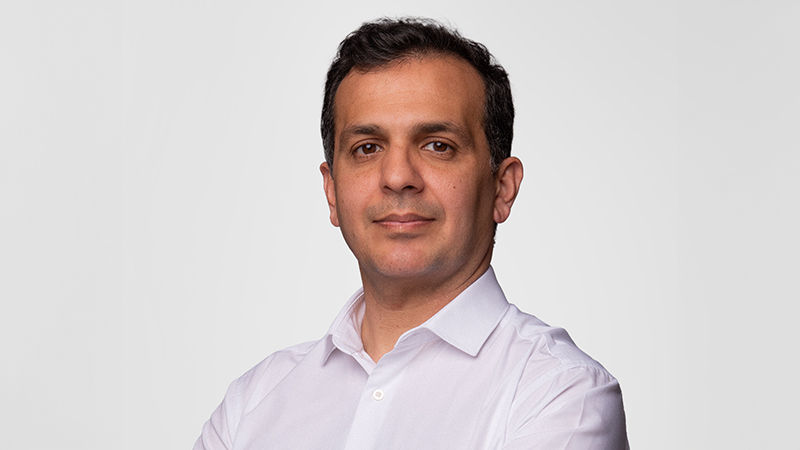
Fahad Hassan is chief investment officer at Albemarle Street Partners