




Financial advisers are open to agentic AI handling administrative back office work, but still want humans taking decisions on client money, according to research from GBST and The Lang Cat.
The survey of 178 advisers found eight out of 10 (80%) are comfortable with AI collating data for annual reviews and suitability packs, 77% with onboarding and letters of authority, 76% with KYC and anti-money laundering checks and 75% with fees and charges reconciliation.
The numbers were very different when handling client money was raised. For pension transfers, only 43% are comfortable, 29% neutral and 29% uncomfortable, while for CIP switching and rebalancing 53% are comfortable, 22% neutral and 25% uncomfortable.
The research also found familiarity with agentic AI is ‘patchy’. Nearly a third (31%) of advisers are unable to describe what it does, and a similar number (29%) cannot identify its core capability of breaking tasks into steps, planning the workflow and carrying it through automatically.
One unnamed adviser taking part said: “Where there is a risk to client money, for now I think it is better for a human to handle it. A human will be more likely to spot if something is awry, whereas a computer will just push through regardless.”
See also: Adviser platforms see fastest asset value growth since 2020
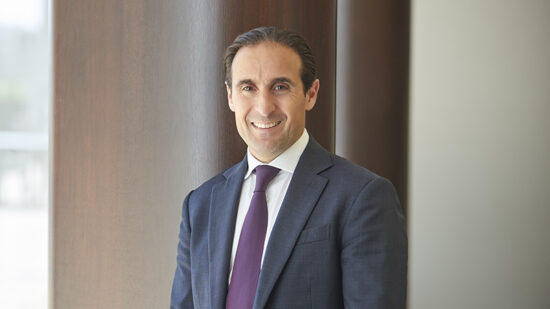
Rob DeDominicis, CEO of GBST, said: “Rather than resisting AI, advisers have drawn a sensible boundary around it. They are comfortable with agentic AI taking on the high-volume administrative tasks, like reconciliation and collation of data.
“This is necessary work, but it takes up time without adding visible value for clients. Where client money is directly at stake, they want human oversight, but that doesn’t mean doing everything manually.
“On more involved processes such as transfers, it’s about keeping people at the decision points while the system carries out the firm’s own procedure and records every step,” he added.
“The Mills Review makes the same distinction, recommending the FCA monitors this closely. Advisers have effectively drawn that line themselves.”