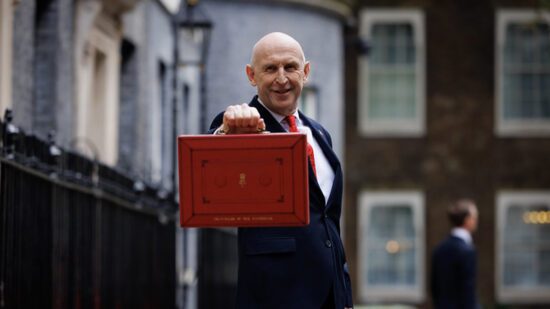





The UK Government will launch a ‘Starter ISA’ to incentivise new investors to buy into stocks and shares, according to the Autumn Budget delivered by Chancellor John Healey today (28 October 2026).
While scant detail was given in the public address or the accompanying written statement, Isabella Galliers-Pratt, senior investment director at Rathbones, said a Starter ISA “could be a much more effective way of creating a new generation of investors than trying to push people out of cash”.
“The real barriers to investing are often confidence, understanding and fear of losing money, rather than a lack of tax-efficient products,” she explained.
“The detail will matter, but a meaningful incentive to make that first investment, alongside the right education and support, could help turn more savers into long-term investors.
“That could take the form of a government top-up on an initial investment, for example, giving people a tangible reason to take that first step.”
See also: Autumn Budget 2026: Pensions unscathed as tax-free withdrawals stay at £268k
Holly Mackay, CEO of Boring Money, conceded the launch of a new Starter ISA “is a brilliant idea”.
“The carrot was always going to be more effective than a stick,” she said. “One of the biggest cited barriers to investing is not knowing where to start so anything we can do to remove jargon and complexity will be hugely positive for those contemplating that first step.”
However, Paul Riseborough, a partner in KPMG UK’s financial services consulting practice, said constant changes to ISA rules and the launch of new products “risks detracting from one of the product’s main benefits to consumers – its simplicity”.
“Away from product designs, focus must turn to making a success of measures already in place to boost financial literacy and support consumers with financial decisions,” he said.
“An early guess is that the Starter ISA will lean on better education and a nudge towards UK trackers,” said Alan Philip, senior investment analyst at Walker Crips.
“The latter is the easy option, but would be poor advice that does little for UK business when you consider around four fifths of FTSE 100 earnings come from overseas, and that steering the mass market into illiquid AIM stocks would do more harm than good.”
This story was written by our sister-title, Portfolio Adviser